
Timor-Leste’s first biosphere reserve links forest and sea
Nino Konis Santana’s 2026 designation recognizes connections between tropical forest, freshwater habitat and the Coral Triangle.
News report
Timor-Leste gained its first UNESCO biosphere reserve on June 5, 2026, when Nino Konis Santana joined the international network. The designation recognizes a landscape at the eastern tip of Timor Island where forest, wetlands and marine ecosystems are closely connected.
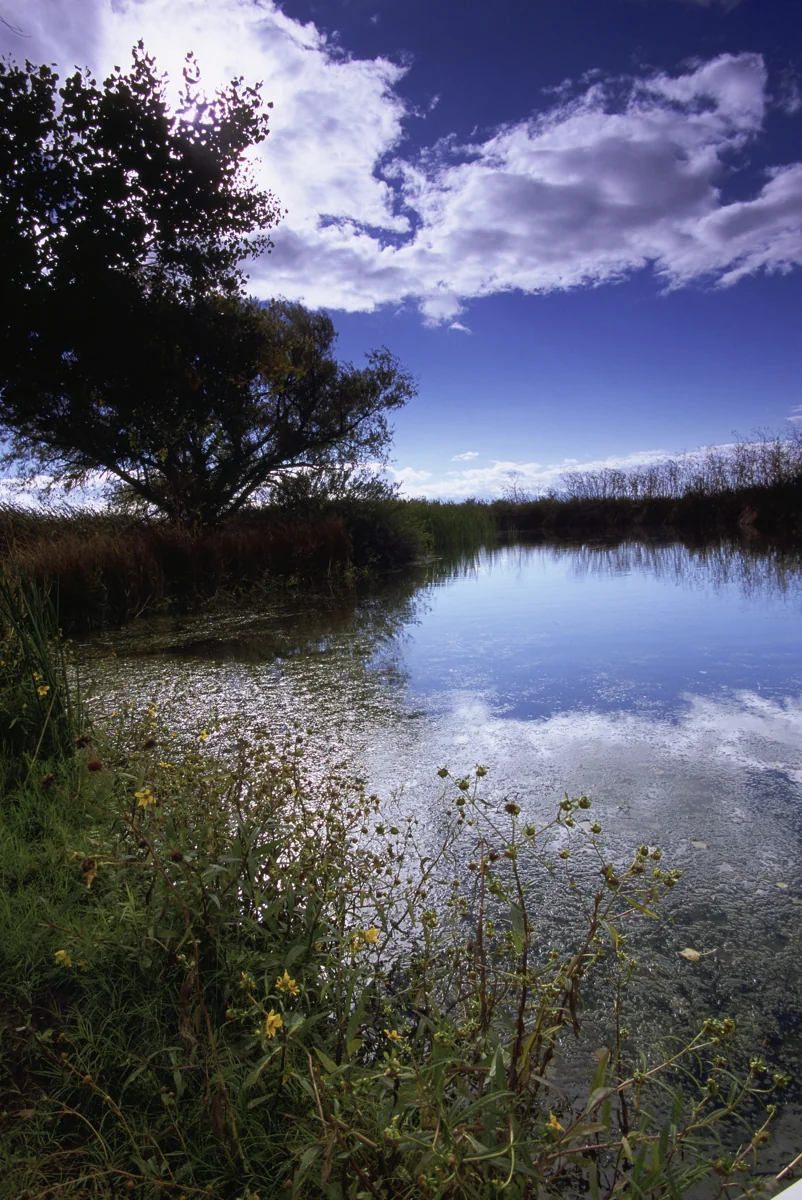
The reserve includes tropical forests, coral reefs and seagrass meadows within the Coral Triangle. UNESCO identifies Lake Iralalaro as an important freshwater site and describes the wider landscape as a meeting point of the Wallacea biodiversity hotspot and the region’s marine diversity.
According to UNESCO’s site profile, the reserve covers 295,939 hectares across land and sea. Its value is not confined to a single ecosystem: managing forest and freshwater areas is part of the same landscape approach as caring for the coast and reefs.
The designation followed work by national authorities, the Timor-Leste National Commission for UNESCO, Lautem Municipality and UNESCO’s Jakarta office. Earlier baseline studies and gap analysis received support from Japan. A September 2024 workshop had helped advance the nomination, providing a documented step before the 2026 approval.
Local livelihoods and cultural knowledge form part of the reserve’s setting. UNESCO describes fishing, weaving and cultivation alongside places of spiritual importance, including Jaco Island. The new status provides a framework for connecting that living heritage with research and conservation. It is an opportunity for coordinated work, rather than evidence that all future management outcomes have already been achieved.
Sources
- UNESCO: Nino Konis Santana designation announcement — 2026-06-09
- UNESCO: Nino Konis Santana site profile — 2026
- UNESCO: Timor-Leste advances nomination — 2024-09-04