
Montenegro’s Skadar watershed joins UNESCO’s biosphere network
The new designation brings a lake, mountain landscapes and the capital into a shared conservation and development framework.
News report
Montenegro’s Skadar Lake Watershed became a UNESCO biosphere reserve on June 5, 2026. The designation recognizes a landscape extending from mountain areas to the Adriatic coast and includes the capital, Podgorica, as part of the relationship between people and the environment.
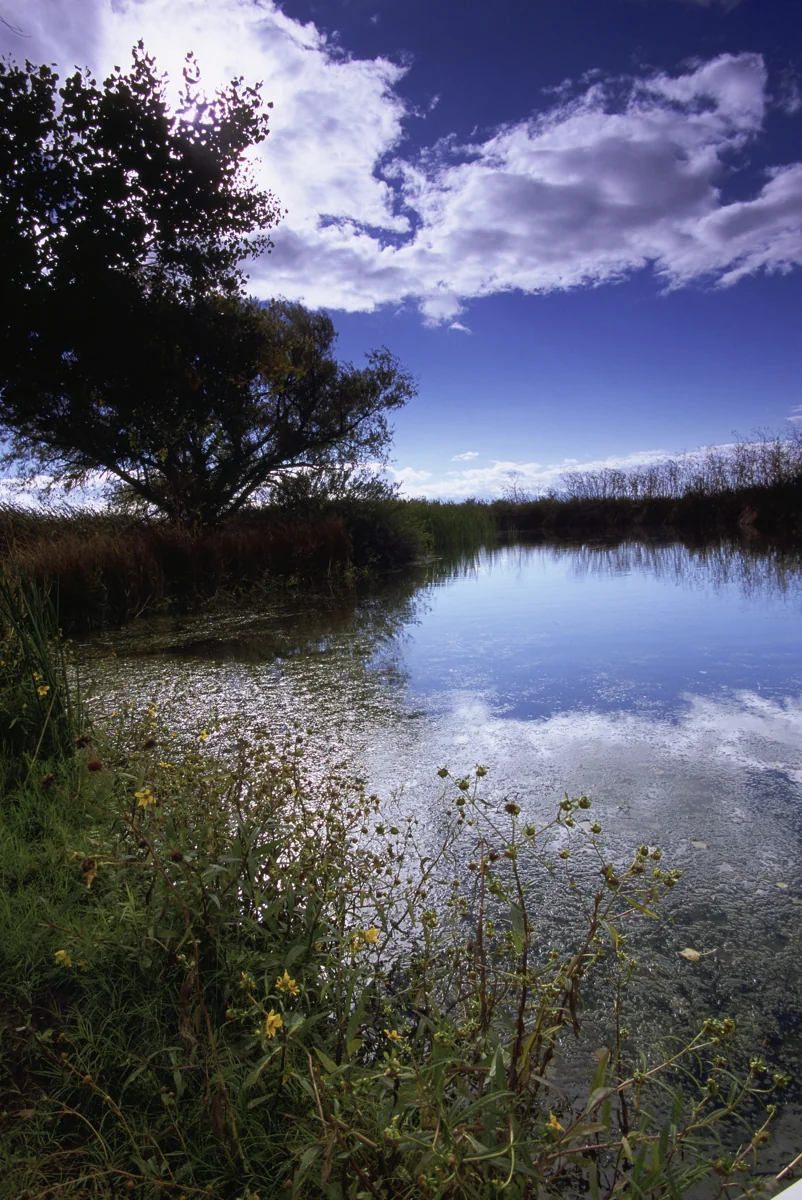
Lake Skadar lies at its center. UNESCO describes it as the largest lake in the Balkans and a wetland of international importance. The reserve’s habitats include wetlands, limestone gorges, riverside forests and coastal ecosystems, rather than the lake alone.
The reserve covers 254,694 hectares, according to UNESCO’s profile. The organization records 281 bird species in the lake’s setting, including nesting Dalmatian pelicans. Such figures describe documented biodiversity in the landscape; they are not a claim that bird populations increased because of the new designation.
More than a third of Montenegro’s population lives within the reserve, UNESCO reports. Including a city makes the framework relevant to land use, urban growth and working landscapes as well as wildlife. The profile identifies changing agricultural practices and fragmentation as issues within that inhabited setting.
The June milestone establishes a forum for linking those concerns. The watershed also connects ecologically with Albania’s Shkodër Lake landscape across the border, although each new reserve has its own designation. Continued monitoring and cooperation can help show how protection of a shared lake fits with the needs of the people around it.