
Angola’s first biosphere reserve connects a long coastline with inland habitats
Quiçama’s 2025 designation recognizes mangroves, wetlands, savannas and the communities whose livelihoods depend on them.
News report
Angola received its first UNESCO biosphere reserve in the designations announced on September 27, 2025. Quiçama brings an extensive coastal and inland landscape into a network intended to connect conservation, research and sustainable development.
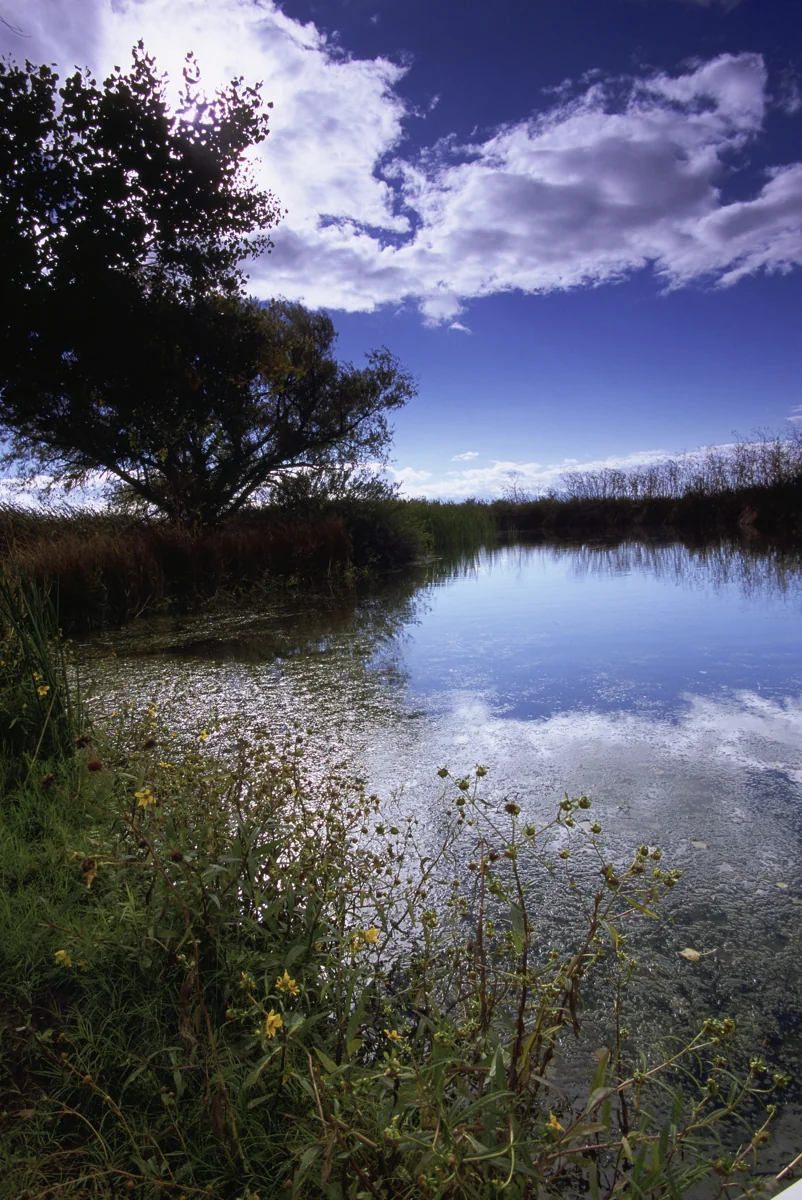
The reserve extends along 206 kilometers of coastline and spans parts of Luanda, Icolo e Bengo and Cuanza-Sul provinces. UNESCO describes a mosaic of mangroves, estuaries, beaches, lagoons, savannas and forest. Both marine and freshwater ecosystems form part of the designation.
Those habitats support animals including African manatees, elephants and marine turtles. Mangroves and estuaries provide shelter and nursery habitat for fish and crustaceans, while beaches offer nesting places for turtles. UNESCO also records more than 200 bird species in the wider reserve.
The setting includes people whose livelihoods involve agriculture, livestock and artisanal fishing. The biosphere profile presents community participation, research and carefully managed tourism as elements of the reserve’s intended development. These are management directions, rather than evidence that the designation has already produced a measured economic or ecological gain.
The reserve covers more than 3.3 million hectares across land and sea, according to UNESCO. That breadth makes coordination important: coastal waters, rivers and inland activities are connected. The 2025 recognition establishes an international framework for that work while leaving the practical task of balancing habitat protection and local needs to continuing management.