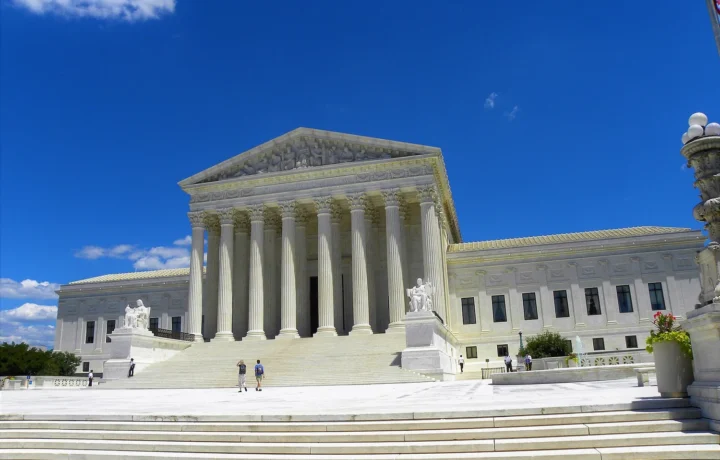
Washington Supreme Court released two guides to seeking appellate review
The March 2026 publication explains distinct routes to requesting review of Court of Appeals decisions.

News report
The Washington Supreme Court announced two new self-help guides on March 4, 2026, explaining processes for asking the state's highest court to review a Court of Appeals decision. The guides address petitions for review and motions for discretionary review.
The court said the material was intended for people representing themselves as well as lawyers unfamiliar with those steps. Rather than assuming readers already knew procedural terminology, the guides use questions to explain the routes and the steps involved.
The announcement distinguishes a petition seeking review of a Court of Appeals opinion from a motion seeking discretionary review, which generally concerns a decision that is not a final opinion, subject to specified exceptions. The guides describe procedure and do not supply legal advice or guarantee that review will be granted.
The resources were placed on the Appellate Help section of Self-Help Washington, the judiciary's public-information hub launched in 2025. The March announcement credited the Supreme Court clerk's office with developing the idea and said further guides concerning trial-court decisions were being developed.
The publication adds a more focused layer to statewide self-help work. General court-preparation information can explain institutions, while an appellate guide addresses a particular procedural stage. The relevant appellate rules remain the formal source. The announcement documents that the two guides were released; it does not establish an increase in successful appeals or a change to review standards. Their concrete contribution is a clearer public explanation of processes already found in the Rules of Appellate Procedure.