How wetlands make room for water before it moves downstream
Storage and slower flow can reduce flood peaks, with the effect depending on location and how full a wetland already is.
Explainer
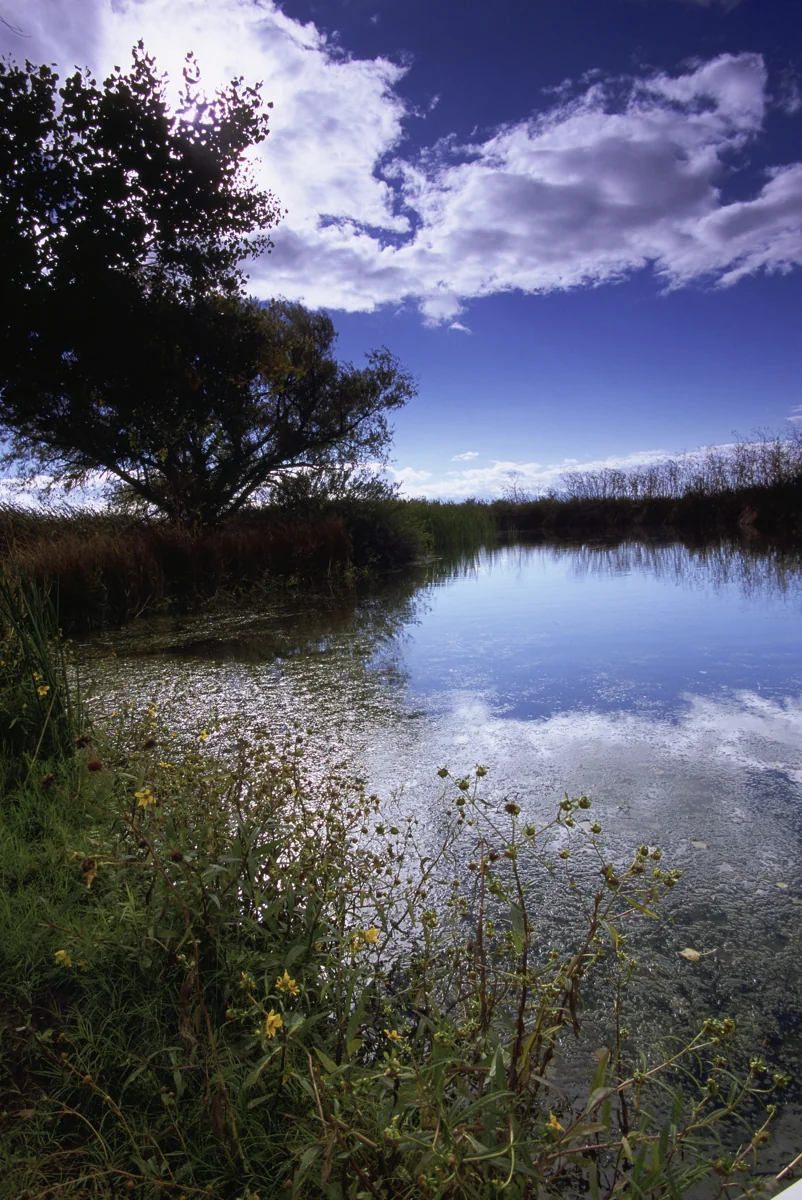
Explainer: A wetland can change the timing of water moving through a landscape. Instead of all rainfall or overflowing river water reaching a downstream point at once, some can be held in low areas and released more gradually.
EPA describes wetlands as places that store rain, snowmelt, groundwater and floodwater. Vegetation can slow flowing water, while floodplains provide room for water to spread. Those processes can reduce the height and force of a flood peak in suitable settings.
The available storage is not unlimited. USGS explains that wetlands hold water at the surface, in soil and in groundwater. When the water table is already high, there may be less space for additional water, and incoming runoff can pass through more rapidly.
Location, slope, vegetation and connections to streams also affect the result. A wetland in one part of a catchment may influence flows differently from a similar-looking area elsewhere. That is why a simple statement about acres restored cannot, by itself, establish how much protection a particular neighborhood will receive.
Wetlands can contribute habitat and water-quality benefits alongside their role in managing flows. Understanding the hydrology helps communities assess where restoration or protection fits within wider planning. The useful idea is to preserve or recover places that can accommodate water, while using measurements and local conditions to judge the scale of the benefit.